
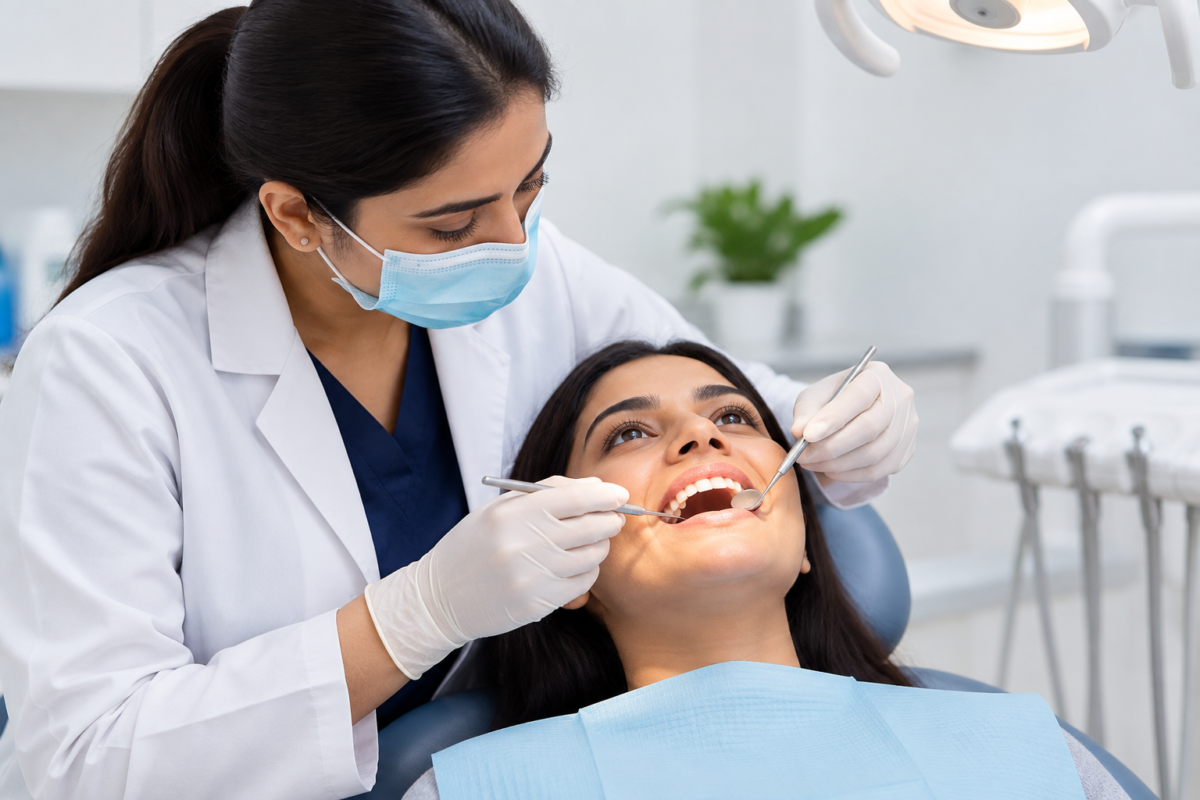
Most people don’t think about visiting a dentist until they have a toothache. And that’s understandable. If your teeth aren’t hurting, it can feel like there is no real reason to book an appointment.
But dental problems don’t always start with severe pain. Sometimes, your teeth and gums give you small warning signs first. Ignoring them for too long can allow a simple problem to become more difficult and expensive to treat.
So, how do you know when it’s time to see a dentist?
Here are 10 signs you shouldn’t ignore.
1. Your Toothache Isn’t Going Away
A tooth that hurts once and then feels normal may not always be a major concern. But if the pain keeps coming back or stays for hours or days, it’s worth getting it checked.
Tooth pain can be caused by decay, an infection, a cracked tooth, or problems inside the tooth. In some cases, treatment such as a filling or root canal may be needed.
Don’t keep taking painkillers and hoping the problem will disappear. Pain relief doesn’t necessarily mean the underlying problem has gone away.
2. Your Teeth Hurt When You Eat or Drink Something Hot or Cold
A sharp sensation when you drink a very cold or hot drink is something many people experience occasionally.
However, if your teeth have suddenly become sensitive or the sensitivity is getting worse, there could be an underlying issue.
Tooth decay, worn enamel, gum recession and exposed tooth roots are some possible causes. A dentist can check what’s causing the sensitivity and suggest the right treatment.
3. Your Gums Bleed When You Brush
Seeing a little blood while brushing is easy to dismiss. Many people simply assume they brushed too hard.
But if your gums regularly bleed, look red or swollen, or feel tender, it’s better not to ignore it. These can be early signs of gum problems.
Good brushing and flossing habits are important, but sometimes professional dental cleaning and treatment are also required.
4. Your Face or Gums Are Swollen
Swelling around a tooth or in the gums can be a sign of an infection.
You may also notice pain, a bad taste in your mouth, difficulty chewing or even a fever. Dental infections can sometimes spread, so they shouldn’t be left untreated.
If you notice sudden or significant swelling, contact a dentist promptly. If the swelling is affecting your breathing or swallowing, seek emergency medical attention.
5. You’ve Broken or Chipped a Tooth
A tooth can break because of an accident, biting something hard, an old filling, or even untreated tooth decay.
Even if the broken tooth doesn’t hurt, it’s still a good idea to have it examined. A small crack can sometimes become larger over time.
Depending on the condition of the tooth, your dentist may recommend a filling, bonding, crown or another treatment.
6. Your Bad Breath Doesn’t Go Away
Everyone gets bad breath occasionally, especially after eating certain foods.
The concern is when bad breath continues even after brushing, flossing and cleaning your tongue.
Persistent bad breath can sometimes be connected to gum disease, tooth decay, bacteria buildup or another dental problem. Instead of constantly trying to cover the smell with mouthwash, it’s better to find out what’s causing it.
7. One of Your Teeth Feels Loose
Permanent teeth aren’t supposed to move around.
If you notice that one of your adult teeth feels loose, don’t wait and see if it gets better on its own. Gum disease, an injury or an infection can sometimes affect the tissues supporting the tooth.
Getting it checked early may give you a better chance of protecting the tooth.
8. It Hurts When You Bite or Chew
Pain while biting into food is another sign that something may be wrong.
It could be caused by tooth decay, a cracked tooth, an infection, a damaged filling or a problem with the surrounding gums.
Sometimes the pain is very specific—you may notice it only when biting on one particular tooth. That’s still a good reason to schedule a dental examination.
9. One of Your Teeth Has Changed Colour
Have you noticed that one tooth has become noticeably darker than the others?
A change in tooth colour can happen for several reasons. Staining from food and drinks is one possibility, but a tooth that becomes grey or dark after an injury may need further examination.
Rather than assuming it’s just a stain, let your dentist determine what’s causing the change.
10. You Have Jaw Pain or Difficulty Opening Your Mouth
Dental problems aren’t always limited to the teeth.
Pain around the jaw, clicking sounds, discomfort while chewing, or difficulty opening your mouth can also be signs that you should get checked.
There can be different reasons for these symptoms, so it’s important to have them properly evaluated rather than trying to diagnose the problem yourself.
Don’t Wait for the Pain to Become Severe
One of the biggest mistakes people make with dental problems is waiting until the pain becomes unbearable.
By that point, a problem that could have been treated relatively easily may have become more complicated.
Regular dental check-ups are also useful even when everything feels fine. Some cavities, gum problems and other dental issues don’t cause obvious symptoms in their early stages.
If you notice something unusual with your teeth or gums, getting it checked is usually better than waiting for it to get worse.
Looking for a Dentist in Lucknow?
If you’re experiencing tooth pain, sensitivity, bleeding gums, swelling or any other dental concern, Dr. Garima Tripathi Dental Clinic provides dental care in Lucknow.
You can visit the Dr. Garima Tripathi Dental Clinic to learn more about the available treatments and book a consultation.
Frequently Asked Questions
Should I visit a dentist even if my tooth doesn’t hurt?
Yes. Not every dental problem causes pain in the beginning. Regular check-ups can help identify problems before they become more serious.
Is bleeding while brushing normal?
Regular bleeding isn’t something you should simply ignore. It can be associated with gum inflammation or gum disease, so it’s worth discussing with a dentist.
What should I do if my tooth suddenly starts hurting?
Avoid putting off the appointment, especially if the pain is severe, persistent or accompanied by swelling. A dentist can identify the cause and recommend appropriate treatment.
Can a cracked tooth heal on its own?
A cracked tooth generally cannot repair itself like a cut on your skin. The appropriate treatment depends on the location and severity of the crack.
How can I keep my teeth healthy?
Brush twice a day with fluoride toothpaste, clean between your teeth regularly, limit excessive sugary foods and drinks, and maintain regular dental check-ups.
Final Thoughts
Your teeth and gums often give you signs when something needs attention. Persistent pain, bleeding gums, swelling, sensitivity, broken teeth or changes in your teeth are all worth taking seriously.
You don’t have to wait until you’re in severe pain to visit a dentist. If something doesn’t feel right, getting it checked early can help you understand the problem and avoid unnecessary complications later.
If you’re searching for a dentist in Lucknow, you can contact Dr. Garima Tripathi Dental Clinic for a professional dental consultation.